
Motorsport sponsorship strategy is a key part of build your sponsorship portfolio and this is just some of what you will learn about in this week’s Business of Being a Race Driver. I have tips on why you shouldn’t plan one season at a time, finding a driver manager and more.
Overview
The Business of Racing
Inside Driver Management with Jason Fulk
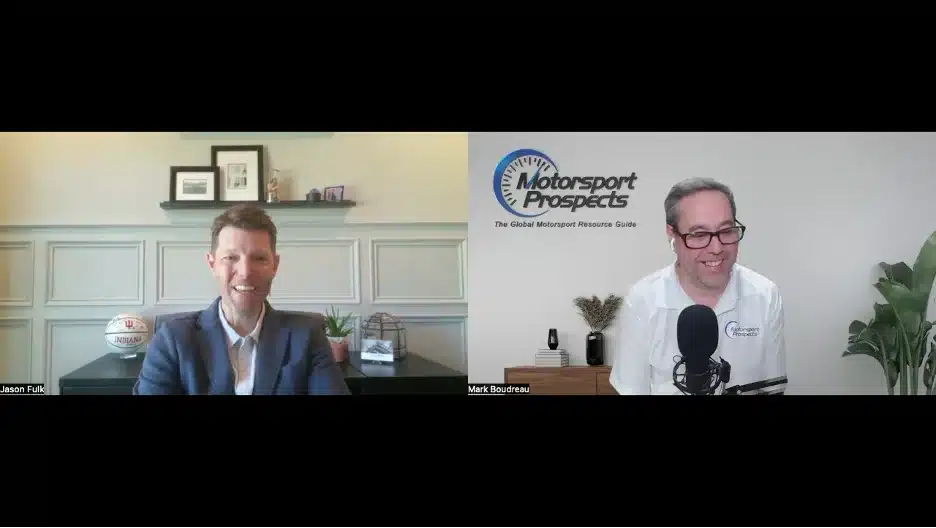
Choosing the right manager can have a significant impact on your racing career, but how do you know what to look for and what should you expect them to deliver? This week on the Motorsport Prospects Podcast, lawyer and driver manager Jason Fulk joins me to explain what a driver manager actually does, the value they should bring to your career, and the key things to consider before hiring one.
In this episode we discuss:
- The role of the manager for a race driver.
- Why you need to understand what you want in a manager?
- The importance of asking questions.
- Why people often don’t know what they need.
- The difference between the needs of an aspiring and independent driver.
- Plus much more!
Listen to the full episode here!
Why Race Drivers Need a Targeted Media Strategy
A strong media presence is about more than getting your name in the headlines. In this LinkedIn post, motorsport communications specialist Alexandra Schieren explains why race drivers need to target the right media outlets and audiences, particularly when building relationships with potential sponsors in international markets. For independent drivers looking to attract commercial partners, strategic media coverage that reaches the right people can be far more valuable than widespread exposure to the wrong audience.
For more from Alexandra Schieren, have a listen to my chat with her on the Motorsport Prospects Podcast here: The Off-Track Skill That Could Make or Break Your Racing Career — Featuring Alexandra Schieren
Highlights from the Last 10 Episodes of the Motorsport Prospects Podcast
In my last two posts, I pulled together the advice from Episodes 1–10 and Episodes 11–20 (Part 1 and Part 2). Every guest answered the same question: “Based on your experience and expertise as a motorsport professional, what would be the one most important piece of advice you could offer a current or aspiring race driver?”
Episodes 21 through 30 of the Motorsport Prospects Podcast brought in performance trainers, a motorsport attorney, an IndyCar winner turned race director, a talent-analytics founder, a driver manager, an independent driver, a sim-racing performance coach, a young pro driver, and a Radical franchise owner.
Instead of repeating the “lessons” format, this series is a highlight reel. For each episode you get the guest’s best line, the context around it, and what it means for your racing career. Here are the first five. Next week I’ll cover the final five and the themes that run through all ten.
I broke down the insights into two parts. You can read Part 1 here and Part 2 here.
There is No Off-Season
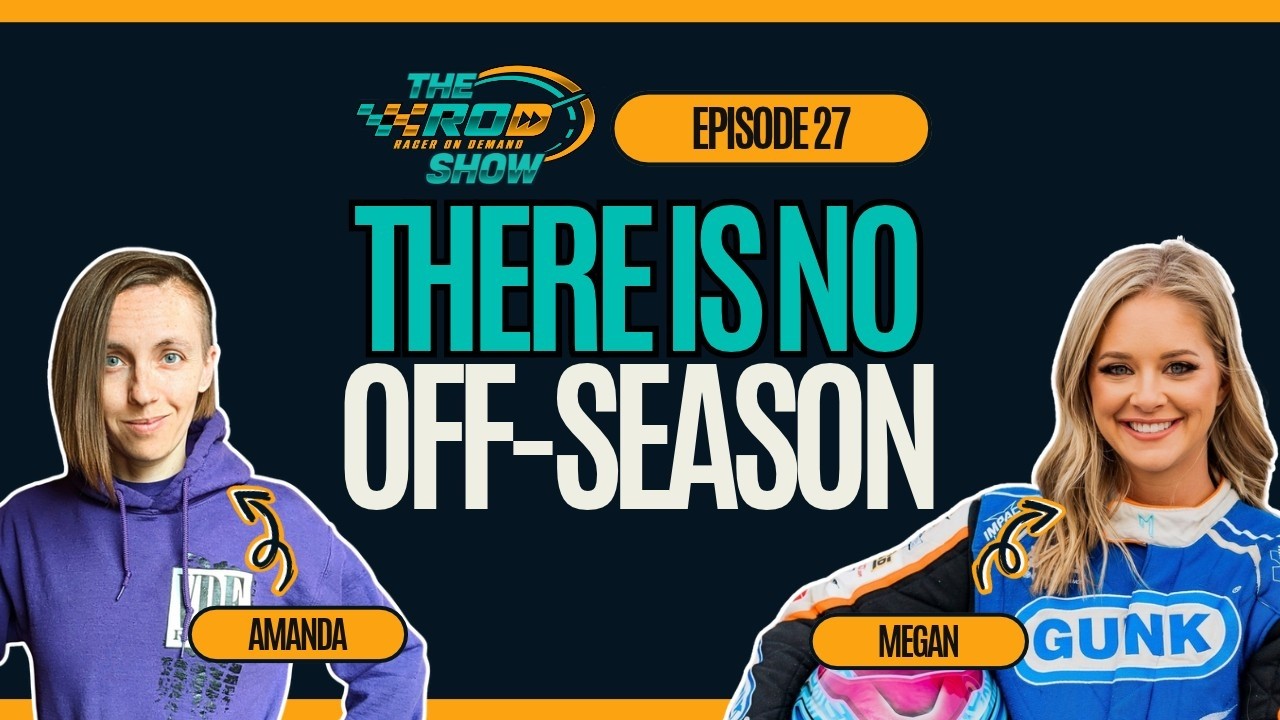
For most racers, the moment the final checkered flag drops, the hauler gets parked, the car is stripped down to the bare chassis, and their marketing program goes completely dark until spring. But in modern motorsports, next season’s funding, renewals, and audience growth are actually won or lost between November and February.
In this episode of the Racer On Demand Podcast, Amanda and Megan break down the essential off-season playbook to keep your program visible, professional, and valuable to sponsors while the car is in pieces. From automating content libraries with AI and streamlining quarterly Proof of Performance (POP) reports to working trade shows like SEMA and PRI with a five-person target strategy, Amanda and Megan share actionable ways to ensure your team never goes dormant.
On the Podcast This Week: The Importance of Motorsport Insurance Featuring Darren Hickey
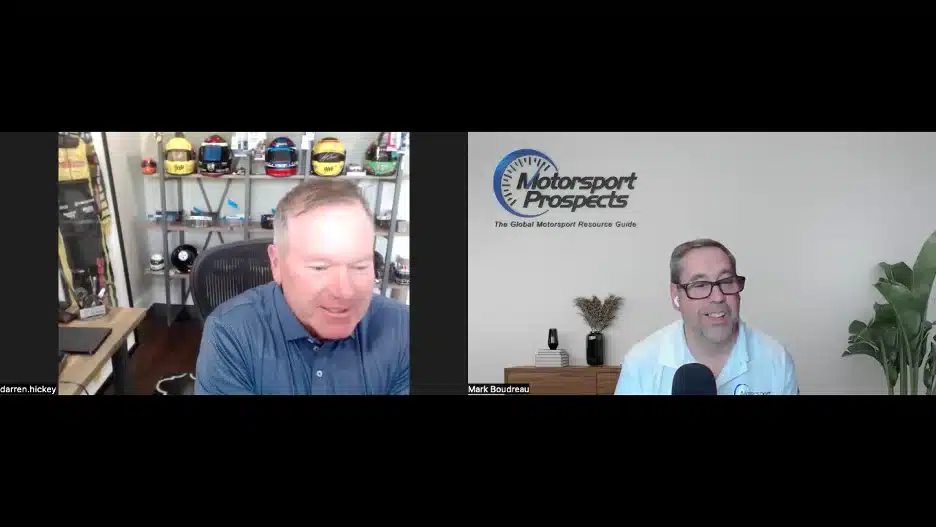
This week on the Motorsport Prospects Podcast I speak with motorsport insurance professional Darren Hickey. Darren explains why motorsport insurance is critical to your racing career and why talking to an experienced motorsport insurance professional is so important.
The episode drops at 8:00 AM EST on Wednesday November 11th. Listen and subscribe here!
Why You Shouldn’t Plan One Season at a Time
In a recent LinkedIn post, Dan Wells from Drivers Lab explains why shouldn’t plan one racing season at a time. He makes the point that racing families often make expensive decisions under pressure because they focus on finding the money to compete next season rather than establishing a realistic long-term budget and career strategy.
Four important takeaways stand out:
1. Establish your financial limits early. Determine how many seasons you can realistically afford before committing to a racing pathway. A properly funded three-year plan can be more productive than five seasons of scrambling for money.
2. Give every season a specific objective. Each year should have a defined purpose and deliver measurable progress that justifies the next investment. Simply competing isn’t necessarily moving a driver closer to a professional career.
3. Build contingency funding into your budget. Accidents, unexpected repairs, team changes and lost sponsorship are part of motorsport. Spending 100% of the available budget leaves families vulnerable when something goes wrong.
4. Review the plan objectively every year. Establish criteria for continuing, changing direction or stopping. Decisions should be based on progress and financial reality, not emotional attachment to a particular racing ambition.
The bigger message: A racing budget is not simply about paying for the next season. It is about allocating limited resources across an entire career development pathway, ensuring that each investment has a purpose and that the family can sustain the journey.
2022 Motocross Sponsorship Summit: All About Agents and Agencies

How do you know if your sponsorship deal is actually a good one? Eric Morley says that’s exactly what an agent is for.
Morley runs the agency Blue C and represents clients across Monster Energy, Wahoo’s Fish Taco, and more. His case for why racers use agents instead of negotiating alone:
“We know what’s going on, we know what every team’s doing, we know what they’re paying for the most part — or we know who we can call to get that other intel, just to know what market rates are.”
He also credits agents working together — he built a Maxxis-sponsored content series by pulling in another agent’s relationship with the athlete, because “we all have great work and relationships with each other to bounce things off of.”
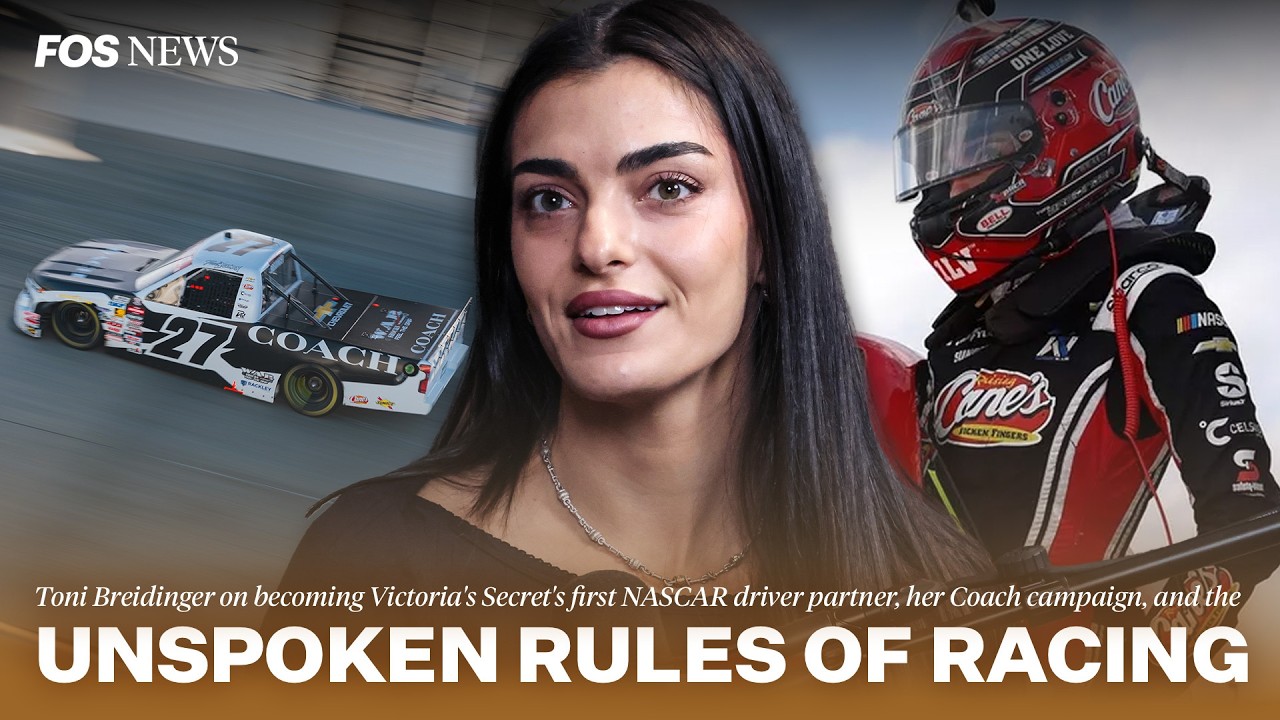
NASCAR Driver Toni Breidinger on Coach, Victoria’s Secret and Fashion Double Standards
“You Can Get Fired”- Connor Zilisch Reveals Shocking Stakes Behind Iconic Sponsor’s ‘Athlete-Only’ Status Symbol
Red Bull’s partnership with Connor Zilisch offers more than sponsorship exposure and branded racewear. The young NASCAR driver explains the exclusive athlete program behind the iconic Red Bull logo, including the strict rules governing its members and the consequences of sharing athlete-only merchandise. It’s an interesting look at how major brands build a sense of exclusivity, community and identity around their athlete partnerships. Read the complete article at Yahoo Sports here.
What GUMOUT Looks For From Motorsports Sponsorships
Sponsorship is a Strategic Choice, Not a Tactical One
Sponsorship is most valuable when brands invest in potential rather than wait for proven success. Using Kimi Antonelli’s rise to the 2026 Formula 1 World Championship as an example, Silvia Schweiger explains why backing emerging drivers and teams early can deliver greater value than buying into an established winner. An important perspective for all race drivers: sponsors need to be sold on the journey, the long-term vision and the opportunity to grow together, not just future results.
For more insights from Sylvia, have a listen to her on the Motorsport Prospects Podcast here: Why Authenticity is Key with Silvia Schweiger
When Your Investment Becomes The Risk
In this case study episode of the Motorsport Sponsorship podcast, they look at new Supercar Driver and an important motorsport career lesson: your pathway can change without your ultimate goal changing with it.
They unpack why the “next rung on the ladder” isn’t always the right commercial decision, why you need a Plan B before you need it, and how to consider cost, development, opportunities and sponsor value when choosing your next racing move.
You can listen to the episode here.
When Long-Term Sponsorships (Should) End
Ken Ungar challenges athletes and sports properties to rethink their approach to sponsorship by getting out of their comfort zone and recognizing that securing a partnership requires more than simply asking for money. His perspective offers a useful reminder for race drivers: building sponsorship opportunities means understanding what businesses need, developing creative partnership ideas and being willing to pursue opportunities beyond the traditional motorsport sponsor pool. Read his full LinkedIn post here.
Align Your Marketing Strategy with the Right Platform
Self-funded race drivers often approach sponsorship by focusing on what they need to raise rather than what a potential partner wants to achieve. This article from Sport Dimensions offers a different perspective: think beyond putting a sponsor’s logo on the car and consider how you can create a broader marketing platform that delivers value through fan engagement, social media, trackside experiences and other promotional opportunities. It also makes a strong case for starting small, testing different approaches, measuring results and building partnerships around what works. An important lesson for drivers working with limited sponsorship budgets.
Sponsor Watch
Sponsorship deals worth a driver’s attention this week
Dirk Schouten + Fan Contributions and Corporate Sponsors: Schouten turned reaching 100,000 YouTube subscribers into a fundraising challenge, running 100 km while inviting fans to contribute €100 or more in exchange for having their names on his car. Combined with additional corporate sponsorship, the campaign funded his 2024 Porsche Carrera Cup Benelux season, which he went on to win. Why it matters: Schouten demonstrates how drivers can turn an engaged online audience into a funding opportunity, while creating ongoing value for sponsors through consistent content, monthly partner projects and off-season activation. View the Instagram post.
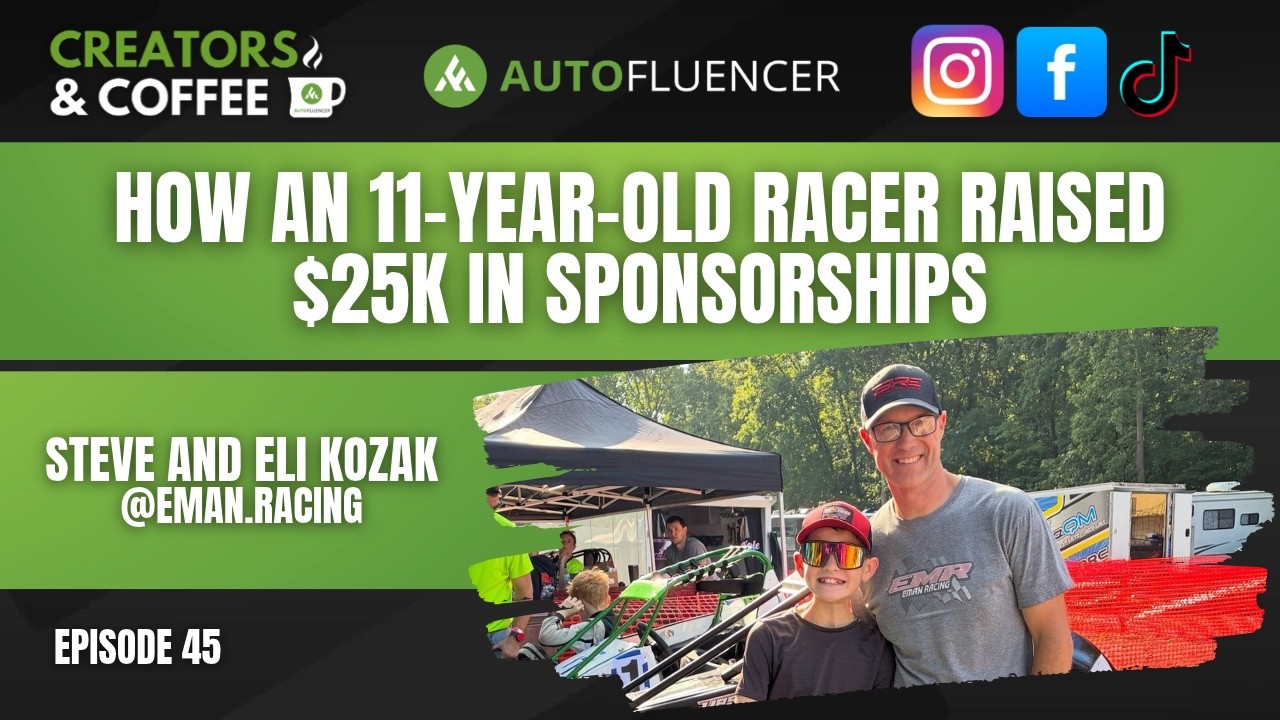
Eli Kozak + Local Businesses: Eleven-year-old quarter midget racer Eli and his father Steve have raised $25,000 in sponsorships by personally visiting local businesses and building customized partnerships around each sponsor’s goals. Drawing on his sports marketing experience with the Detroit Pistons, Steve explains why face-to-face conversations can succeed where generic sponsorship packages and cold emails often fail. Why it matters: Drivers should stop relying on sending out standard sponsorship proposals and start having conversations with local businesses. Understanding what a potential sponsor wants to achieve and tailoring an opportunity to meet those objectives can be far more effective than simply asking for money.
Gus Burton + Fan and Business Backers: After putting 2,224 supporters’ names on his car for his Monza campaign, Burton is planning to take the concept further by launching a community-funded Porsche racing team for 2027, offering tiered packages with defined prices and benefits for both fans and businesses. Why it matters: Burton highlights the importance of turning one-time supporters into long-term partners. Whether pitching to fans or corporate sponsors, drivers need clearly defined packages that explain exactly what backers receive in return for their support. View the Instagram post.
The Costs of Racing
The Motorsport Illusion: From Karting Promises to the F1 Trap
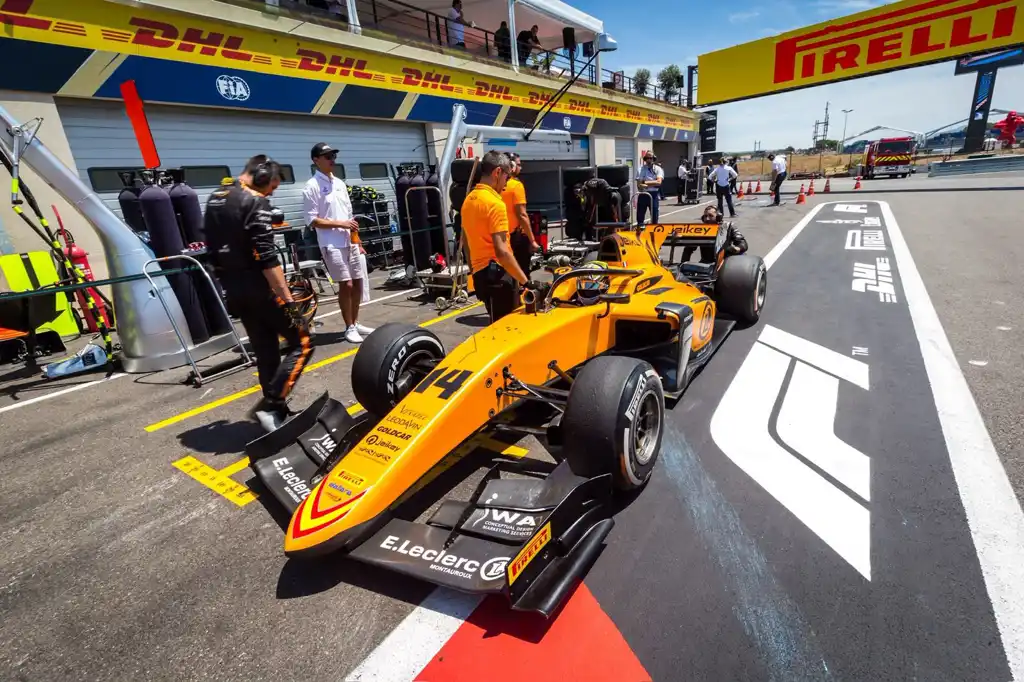
In a recent LinkedIn post, Ludovic Pezé argues that drivers and their families can become trapped in an expensive pursuit of Formula 1, often encouraged by teams, coaches and other industry participants who promote particular championships and career pathways as essential.
There are three important takeaways for drivers:
1. Focus on performance, not prestige. F1 teams evaluate measurable performance indicators, including telemetry, adaptability, tire management, consistency, pace and error rates. Simply competing in expensive, prestigious championships does not guarantee attention or advancement.
2. Treat your racing budget as a career investment. Know when a particular series is no longer delivering a reasonable return on investment. Continuing to spend millions while running mid-pack may be less productive than pursuing alternative opportunities.
3. Build a career, not just a pathway to F1. Endurance racing, IMSA, WEC and IndyCar can offer viable professional careers, factory opportunities and long-term financial sustainability. Formula 1 should not be the only definition of success.
Don’t spend your way toward a racing dream without evaluating whether the investment is actually advancing your career. Build a sustainable professional driving career first, rather than gambling everything on reaching Formula 1.
That is particularly relevant to independent and self-funded drivers, for whom making the right decisions about where and how to spend their racing budget can determine how long they remain in the sport.
Source: Ludovic Pezé – The Motorsport Illusion: From Karting Promises to the F1 Trap.
You can hear more from Ludovic Pezé on the Motorsport Prospects Podcast here: Trust Isn’t Given, It’s Proven — Featuring Ludovic Peze
Daniel Oliver Continues His Look at the Cost of GT Racing
Daniel Oliver continues his look at the cost of racing in GT3 with two Instagram posts here and here.

Author: Mark Boudreau
Mark is the publisher of Motorsport Prospects and the host of the Motorsport Prospects Podcast. As a lawyer, he applies his legal background and research skills to assist race drivers by showcasing the resources they need to make their motorsport careers happen.
