
Sportscar racing budgets are the focus this week in The Business of Being a Race Driver where you will hear from several drivers who discuss what they paid to race. You will also get advice on branding, social media marketing and more.
Overview
The Business of Racing
Preview of: Inside Driver Management with Jason Fulk
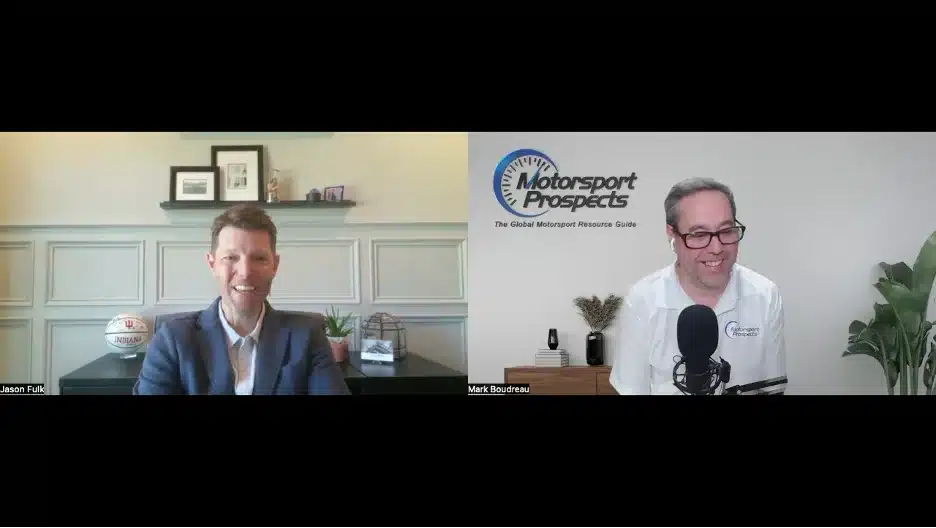
Choosing the right manager can have a significant impact on your racing career, but how do you know what to look for and what should you expect them to deliver? This week on the Motorsport Prospects Podcast, lawyer and driver manager Jason Fulk joins me to explain what a driver manager actually does, the value they should bring to your career, and the key things to consider before hiring one.
The episode drops November 4 at 10:00 AM EST. Listen and subscribe here.
Drivers and the Press
In a recent episode of the 2 Guys, A Girl, and F1 Podcast, guest Joe Saward discusses a number of topics of interest to drivers and the business of being a race driver.
After Dick and Sabrina wrapped a conversation with Joe Saward about parents supporting young racers, Joe made an offhand comment that turned into its own episode: what drivers, and their parents, actually need to understand about the press.
Joe describes the driver-media relationship as exactly that, a relationship, not a transaction, and walks through what separates the drivers the press trusts from the ones they don’t. He talks about the British-dominated media landscape, the danger of media training that just teaches drivers what not to say, and a story about a driver he met at thirteen that shaped a decades-long relationship.
Dick brings the parent’s perspective, and the three of them get into where trust actually breaks down, and how hard it is to rebuild once it does.
You can listen to the episode here.
The Role of a Motorsport Social Media Manager
A driver’s social media presence is about much more than posting race-weekend photos and building followers. In this article, Parabolica by Marika explains why social media managers also have an important role in managing sponsor relationships, delivering partnership value and keeping sponsors engaged. Particularly in junior motorsport, where sponsorship can determine whether a driver gets a seat, understanding how social media supports commercial partnerships is essential. A useful reminder for drivers that their online presence needs to deliver value to sponsors, not just attract attention.
From Logo to Moment: When Sponsorship Becomes Part of the Show
Sponsorship is most effective when brands become part of the sporting experience rather than simply placing their logos on cars, race suits or trackside signage. In this LinkedIn post, Silvia Schweiger explores how motorsport partnerships can create memorable moments through creative brand integration, from podium celebrations and trophies to driver experiences and race-weekend activations. For drivers seeking sponsorship, the lesson is important: think beyond offering logo placement and show potential partners how they can become part of the story and experience you create for fans.
If you have not listened to Sylvia’s appearance on the Motorsport Prospects Podcast yet, you can listen to it here.
Revealing F1 Rookie Salaries
Investing in the Game: How Athletes are Turning Personal Brand into Sports Equity
Athletes are increasingly looking beyond sponsorships and endorsements to turn their personal brands into long-term business assets. This article from LawInSport, written by Katie Grimstone and Henry Sealy, explores how athletes are leveraging their reputations, networks and commercial influence to invest in sports clubs, franchises, sports-related businesses and venture capital opportunities.
Using examples such as David Beckham and LeBron James, it examines how athletes can build wealth beyond their competitive careers, while highlighting the investment structures and legal considerations involved. An interesting lesson for race drivers: building your personal brand isn’t just about attracting sponsors today; it can create business and investment opportunities long after your racing career.
What Makes an Athlete Marketable in 2026? The Rise of the Athlete Creator
What makes an athlete attractive to sponsors, and how can drivers become more marketable? In this article, Sheridans Sport explores the factors that influence an athlete’s commercial appeal, looking beyond sporting performance to consider personal brand, audience engagement, personality, storytelling and the ability to connect with potential partners.
For race drivers, the takeaway is that marketability is something you can actively develop. Building a compelling personal brand, understanding your audience and demonstrating value to sponsors can be just as important as your results on track.
The F1 Technology Gold Rush: The Growing Value Of Motorsport Partnerships
Technology companies are increasingly looking beyond traditional logo placement to establish partnerships that demonstrate the real-world value of their products through motorsport. This article from TechRound examines the growing role of technology partnerships in Formula 1 and other racing series, highlighting deals involving Lenovo, Microsoft, Intel, AWS and Formula E’s Fortescue Zero. It explores how motorsport provides technology companies with a demanding environment to test and showcase innovations in AI, cloud computing, data analytics and energy efficiency.
For drivers seeking sponsorship, there is an important lesson here: companies want more than brand exposure. Understanding a potential sponsor’s business objectives and demonstrating how your racing program can help achieve them is key to building meaningful partnerships.
Husbands Unfiltered (ft. Adam Lingner & Chris Van Den Elzen)
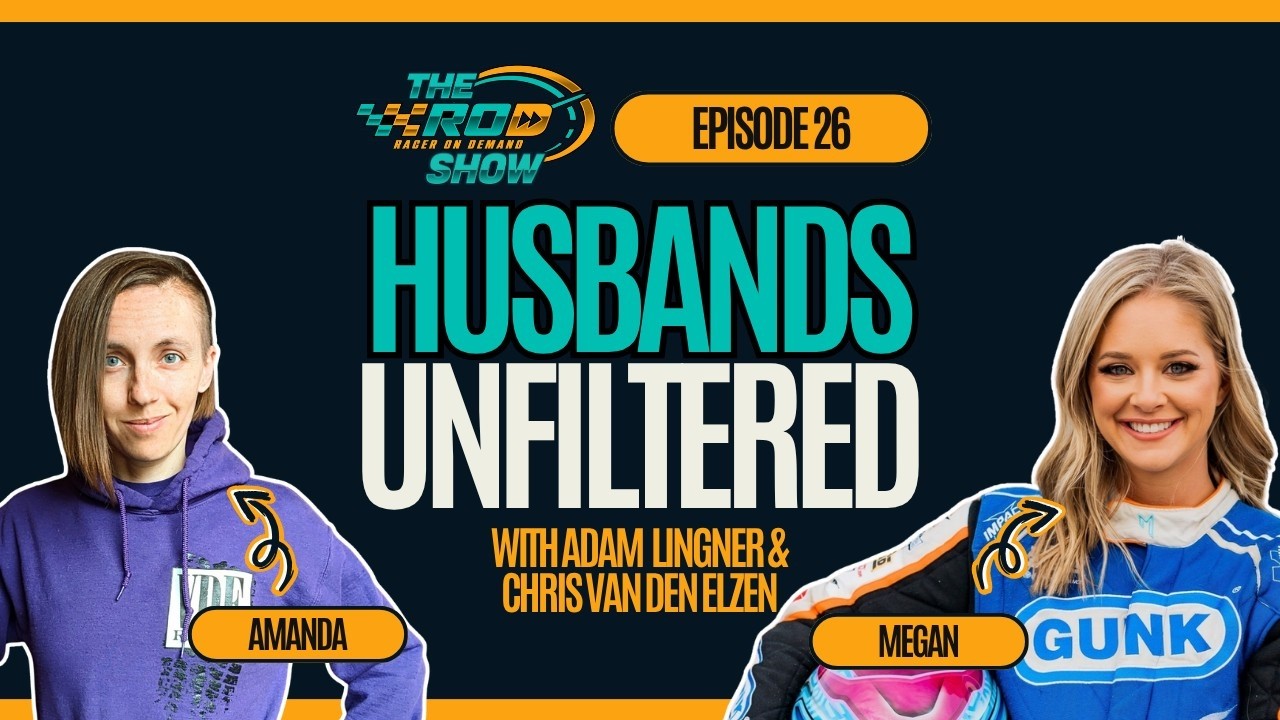
In this special one-year anniversary episode of the Racer on Demand podcast, Amanda and Megan bring on their husbands, Chris Van Den Elzen and Adam Lingner, for an unfiltered, behind-the-scenes look at what it really takes to run their racing programs.
From surviving a 34-hour cross-country RV haul to Glen Helen for the Champ Off-Road series finale to navigating sponsor connections and challenges, the group breaks down the real-world communication dynamics, relationship building, and behind-the-scenes prep that keeps their race teams running.
Plus, they dive into the crucial distinction between treating racing as a stress-relieving hobby versus managing a professional business with sponsor obligations, raising the next generation of racers with a strong work ethic, and why authentic industry relationships will always beat fake social media trends.
How To Start Sponsor Conversations Webinar
Megan Meyer from the Racer On Demand podcast is holding a free webinar on Thursday, November 12th, at 5 PM CT.
“We’re going to talk about how to approach potential brand partners at SEMA and PRI, and how to use your social media statistics to show brands what you bring to the table. My goal is for you to walk away feeling more confident about approaching brands and having a plan you can actually use! Trust me, you don’t need millions of followers, and you don’t need to have the perfect sponsorship proposal ready before you introduce yourself. You just need to understand what you can do for them.”
You can register to attend here.
The Business of Checo Perez
Sergio Pérez’s commercial value extends well beyond his results on track. This article from Business of Speed examines how Checo built a business around his Mexican identity, loyal fan base and personal brand, from his early backing by Carlos Slim Domit and Escudería Telmex to sponsorships, equity investments and his own business ventures.
It also explores how partnerships with brands such as Heineken and Kavak have continued to create opportunities even when he wasn’t competing in Formula 1. For race drivers, the lesson is that building a commercially valuable personal brand takes time, authentic connections and a loyal audience—and that value can survive changes in teams or even time away from racing.
General Motorsport Marketing Advice & Resources
Benefits of Motorsport Sponsorship: Advantage Guide for Brands
Most advertising asks people to stop what they are doing and look at a brand. Motorsport sponsorship works the other way round: the brand sits inside something fans have chosen, paid for and care about. That difference changes how the message is received. Read more at RTR Sports Marketing here.
Motorsports Market to Hit USD 16.17 Billion by 2031 as Streaming and Digital Rights Expand, says Mordor Intelligence
According to Mordor Intelligence, the motorsports market size is projected to increase from USD 11.45 billion in 2026 to USD 16.17 billion by 2031, reflecting a 7.15% CAGR from 2026 to 2031. The market is gaining momentum from stronger sponsorship demand, expanding media distribution, and continued investment in leading racing properties. More details can be found here.
Do We Still Need to State the Obvious About F1 Partnerships?
Are we still judging motorsport sponsorship deals by how many logos appear on a car? In this article, Sarah Beakey of Sunday’s Sponsors argues that F1 partnerships have evolved far beyond traditional brand visibility, with successful deals increasingly built around fan engagement, cultural relevance, brand activations and delivering tangible value to teams and audiences.
Using examples involving Mastercard, Chivas Regal, ELEMIS and Marks & Spencer, she challenges readers to look at what partners actually bring to the sport rather than simply where their logos appear. For race drivers, the message is clear: sponsorship proposals need to demonstrate what you can deliver for a partner beyond exposure and logo placement.
Sponsor Watch
Sponsorship deals worth a driver’s attention this week
Certas Energy + Daniella Sutton: The Warrington-based fuel distributor has signed a 12-month sponsorship deal with the British F4 driver, providing a fuel card to help cover the travel costs of competing, attending meetings and other motorsport events. Why it matters: Drivers don’t have to limit their sponsorship search to companies offering cash. Identify businesses that can offset specific career expenses—such as fuel, accommodation, travel, equipment or services—and build partnerships that deliver practical financial value to both sides. Read more here.
TikTok + Ryan Vargas: What began as a designer’s mock-up of a TikTok-sponsored race car turned into a six-race sponsorship deal after the platform noticed Vargas was already creating racing-related content and engaging with fans on the app. Why it matters: Don’t just pitch a sponsor on putting its logo on your car. Demonstrate how you can help the brand reach its target audience through your existing social media presence, content creation and fan engagement. Show the sponsor what you can build together, not just what you want them to fund. Read the Instagram post here.
The Costs of Racing
How To Become Fully Funded in GT Racing: Inside Calan Williams’ Racing Career
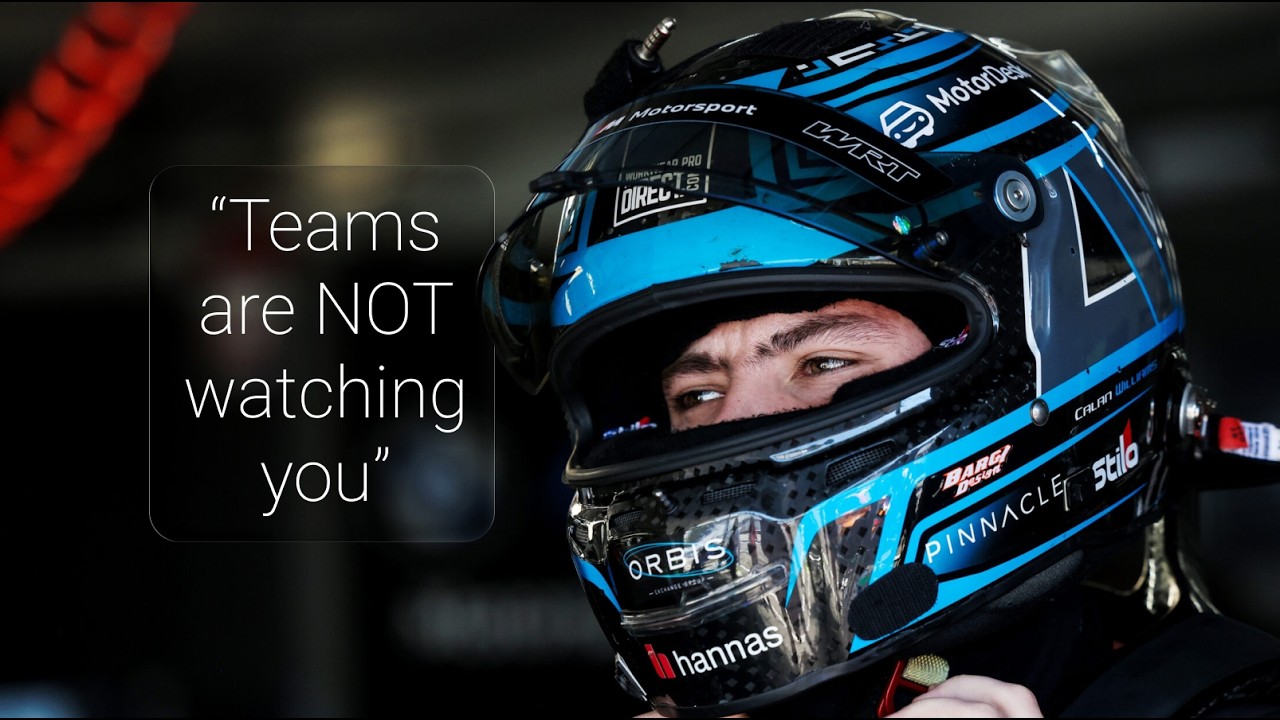
Calan Williams went from writing handwritten letters to Perth’s wealthiest people at 15 to a fully funded professional career in GT World Challenge Europe.
In the first episode of The Forseti Podcast, Calan talks about how he went from watching Supercars at his local circuit in Australia to moving to the UK alone at 17, then racing in Euro Formula Open, FIA Formula 3 and Formula 2 before moving into GT racing.
He explains how his family set up Calan Williams Racing as a company, so his career has been funded entirely through sponsorship and investors since he moved from karts to cars. He also says that half the F2 grid could race in F1, and that teams aren’t watching you, so you have to go to them.
The episode also goes deep on preparation. Calan covers heat training for 50°C cockpits in his bedroom sim, preparing for the wind at Paul Ricard, how he reads telemetry, why he learns more on the sim than on track, and how he got through the Monza turn one pileup.
Daniel Oliver’s First IMSA Season Wasn’t Even a Full Season. Here’s What it Really Costs
In this Instagram post, Daniel Oliver explains his budget for racing in IMSA this year. You can read the post here.
The Business of GT3 Racing: Understanding Team Profitability
Why do GT3 racing teams struggle to generate healthy profit margins, even when manufacturers and series organizers appear to hold much of the commercial power? This analysis from The Parc Ferme Review applies Porter’s Five Forces framework to the GT3 business model, identifying driver purchasing power as a major source of financial pressure. It explains how teams can improve profitability by increasing driver retention, creating multi-year programs built around coaching and development, and better managing cash flow.
An interesting business lesson for drivers too: understanding how teams make money can help you appreciate the commercial value of your seat and the importance of building longer-term relationships with teams.
Racing’s Hidden Costs: The Helmet That Expires Differently in Every Rulebook
A racing helmet may look like a one-time investment, but changing safety regulations can make it obsolete sooner than expected. This article from Backfire Racing examines how helmet expiration and certification rules differ between sanctioning bodies, using the Snell SA2015 standard as an example. It compares requirements across SCCA, ChampCar, Historic Sportscar Racing and NHRA, illustrating how the same helmet can be legal in one series but prohibited in another.
It also explores the financial implications of replacement costs, particularly for drivers competing across multiple series. An important reminder for racers: understand the technical and safety requirements of every championship you plan to enter and factor equipment replacement into your racing budget.

Author: Mark Boudreau
Mark is the publisher of Motorsport Prospects and the host of the Motorsport Prospects Podcast. As a lawyer, he applies his legal background and research skills to assist race drivers by showcasing the resources they need to make their motorsport careers happen.
